Is It Worth Hiring a Professional Landscape Designer?

hiring a landscape designer worth it

Investing in a professional landscape designer can change everything for homeowners. They offer a more affordable option at $70 to $150 per hour, unlike the $125 to $250 per hour of traditional architects.

They have a deep understanding of outdoor spaces. By working with experts, they create both beautiful and useful places. With proper qualifications, they are ready to take on any landscaping project.

Key Takeaways

  • Landscape designers typically cost $50 to $150 per hour, making them a more affordable option compared to landscape architects.
  • Landscape designers have extensive horticultural knowledge and nursery experience, helping homeowners select the right plants for their outdoor spaces.
  • Landscape designers focus on existing landscapes and planning aesthetics, while landscape architects handle major landscape alterations and new home builds.
  • Hiring a landscape designer can save homeowners from costly errors and provide state-of-the-art tools and design expertise.
  • Landscape designers can help boost a property’s value and create a functional, enjoyable outdoor retreat.

What a Landscape Designer Can Do for Your Outdoor Space

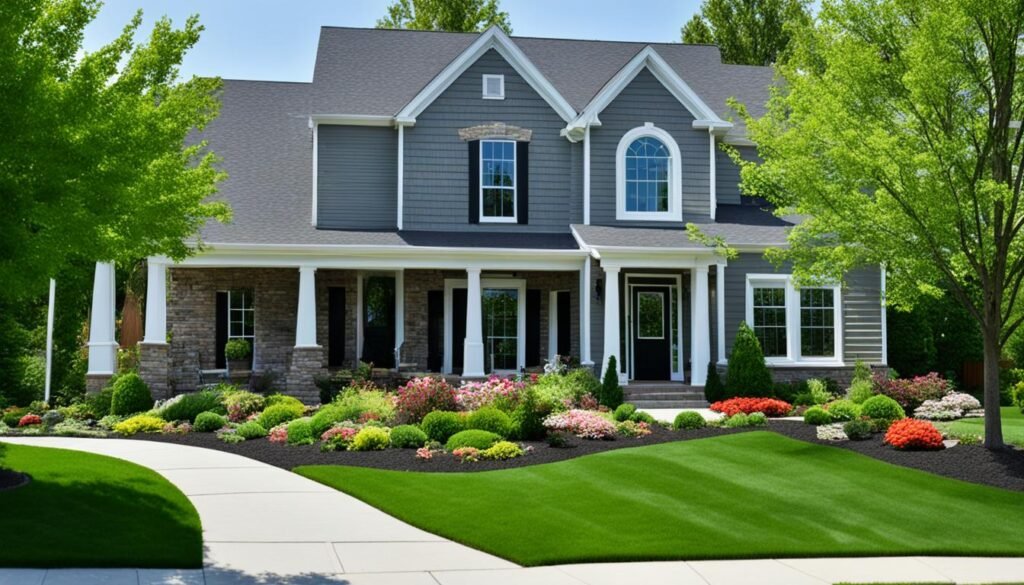
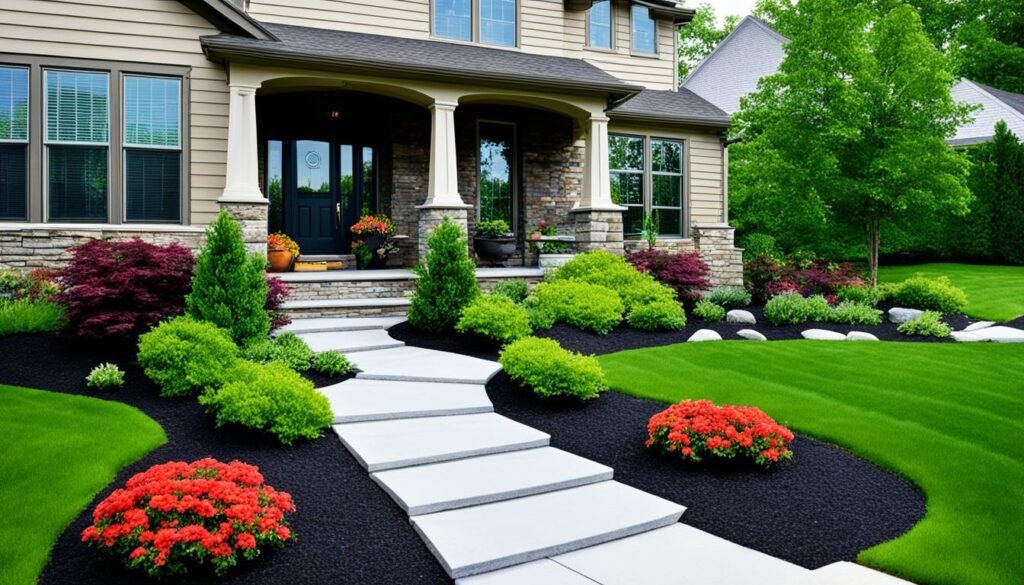
Landscape designers turn your outdoor area into an oasis that’s both beautiful and useful. They blend your taste with eco-friendly designs. This makes your yard not just pretty but also good for the planet.

Defining the Roles of Landscape Designers and Architects

Landscape designers and landscape architects aim to make outside spaces look great and work well. Their skills differ, though. Landscape architects manage big site plans and ensure landscapes last. Landscape designers make places beautiful by choosing plants and designing outdoor areas.

Maximizing Your Outdoor Space’s Potential

A great landscape designer knows how to use your outdoor space fully. They add features that fit your life and help the environment. For example, they might pick plants that use little water and are local to your area. This reduces how much water your yard needs.

They also think about the best places for paths, seats, and other such things in your yard. This planning makes your outdoor space work well and look good. With their help, you can make your yard a stunning, eco-friendly place that fits your home.

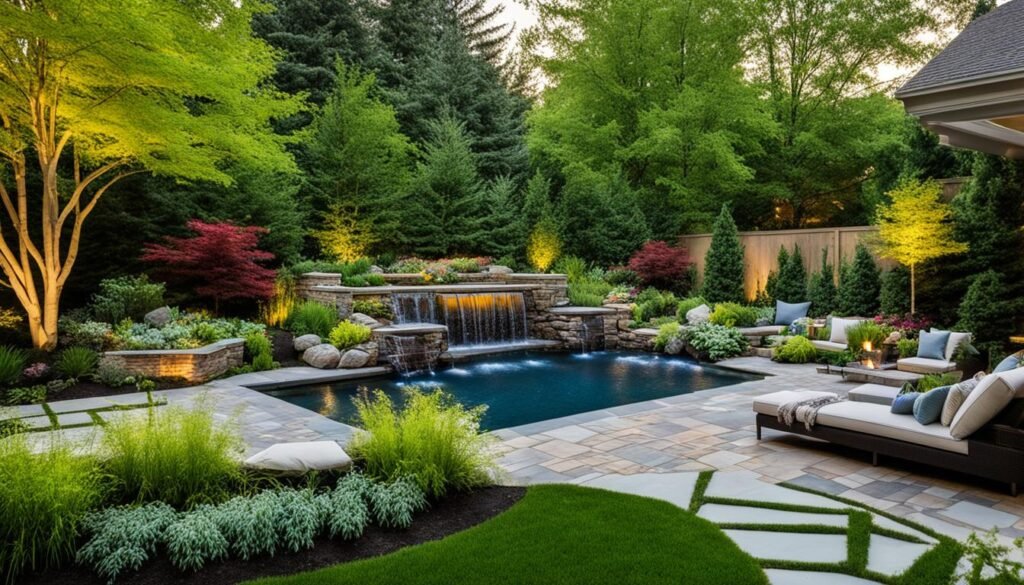
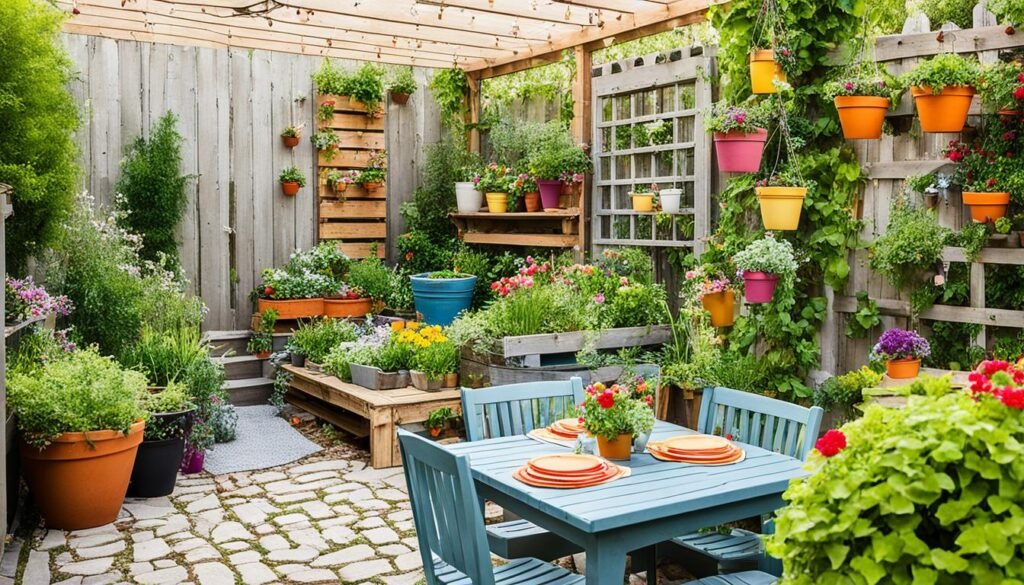
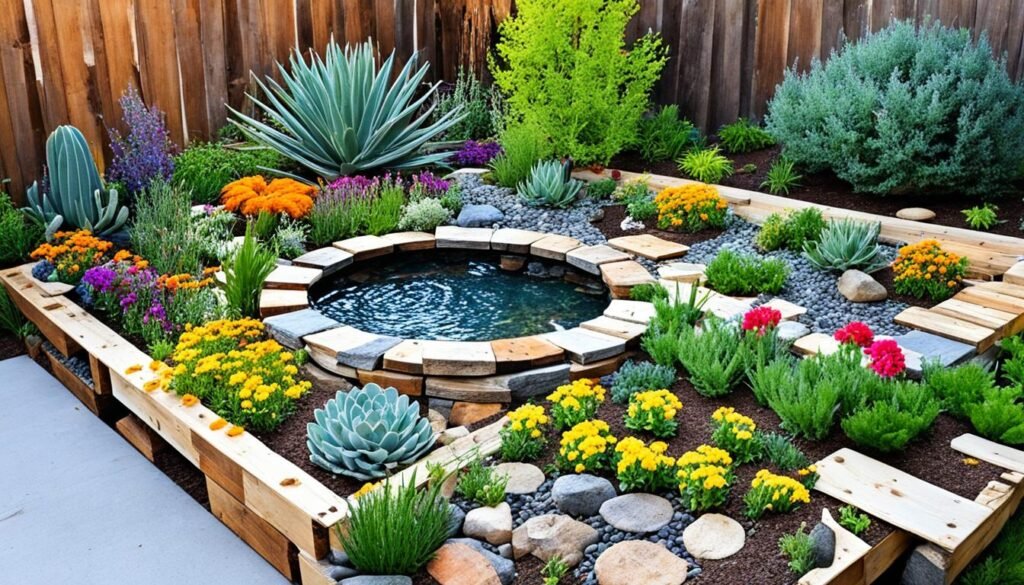
backyard oasis

“Landscape architects can devise a plan for a landscape project, saving time and reducing stress for homeowners.”

If you want to change or improve your yard, a skilled landscape designer is key. They understand how to use sustainable methods and pick plants that don’t need a lot of water. This can turn your outdoor area into a beautiful, planet-friendly haven.

hiring a landscape designer worth it

Hiring a professional landscape designer offers big benefits. Homeowners seeking a unique, functional, and beautiful outdoor space should consider it. Even though the initial cost is higher, the long-term gains are worth it.

These designers know how to make the most of your yard. They create plans that fit your home’s style, are eco-friendly, and can boost your home’s value. They help you steer clear of the mistakes often made in DIY projects.

A pro designer can add crucial creative ideas to your project. They think about your lifestyle, like if you have kids or pets, making sure the design suits your needs.

Designers are professionals with deep knowledge of plants and design. They spend at least 15 hours on your project, from the first meeting to finalizing the materials.

Yes, hiring a designer costs more upfront. But in the long term, it’s a smart move. They help lower costs by choosing the right plants and avoiding design errors. So, they really add value.

The choice to hire a designer comes down to your budget and what you want for your space. With their help, you can turn your outdoor area into a place both beautiful and practical.

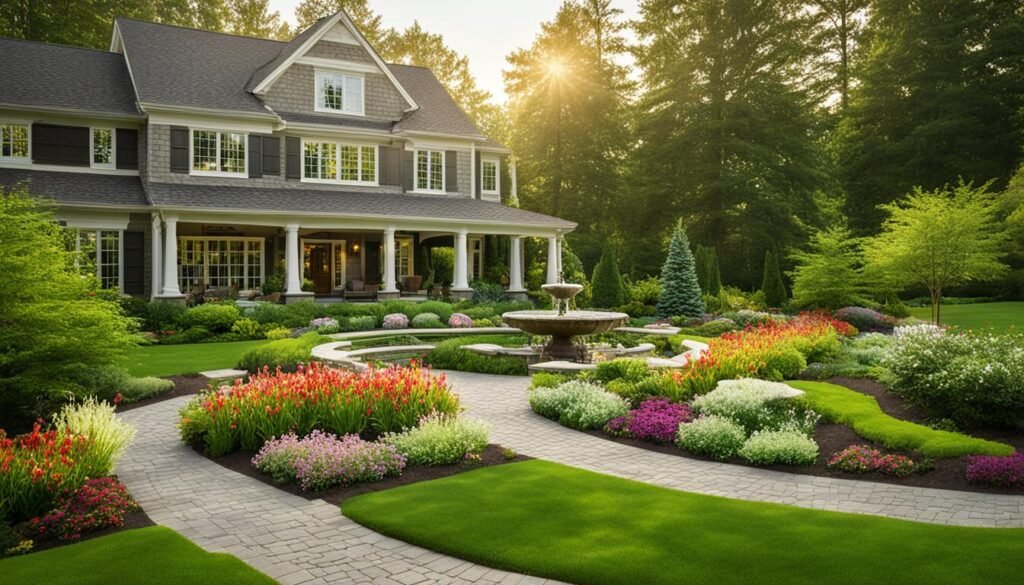
Landscape Design

“Landscape designers emphasize functionality alongside aesthetics, focusing on how the space will be used.”

Conclusion

Hiring a landscape designer is smart for U.S. homeowners who want to improve their outdoor areas. These pros know how to make your yard both beautiful and eco-friendly. They can also boost how much your home is worth.

Yes, it might cost more at first to hire a designer than to do it yourself. But the benefits over time justify this cost. A designer can turn your backyard into a space you’re proud of, one that’s both lovely and useful.

With a designer’s help, you’ll spend your money wisely. Your project will not only look great but also add real value to your home. This investment in professional design will pay off in enjoyment for many years.

FAQ

Is hiring a professional landscape designer worth it?

Hiring a landscape designer is a smart move for those who want an outstanding outdoor area. With their know-how, they can turn your yard into a beautiful, functional space. They offer advice on what plants to use and design your yard efficiently.

This decision can also make your home more attractive and valuable. So, investing in a designer is definitely worth considering.

What are the roles of landscape designers and landscape architects?

Landscape architects and designers are key to turning outdoor areas into inviting places. They work differently but aim for the same goal. Architects deal with big planning, like drainage and infrastructure. Designers focus on the look, choosing plants and creating nice outdoor areas.

How can a landscape designer help maximize the potential of my outdoor space?

A good designer will tailor your outdoor space to your needs and the environment. By picking plants that suit your area and need less water, they make your yard more eco-friendly.

They also plan where to put paths, seats, and other structures for a practical and united look. So, with their help, your yard can become both beautiful and earth-friendly.

What are the long-term benefits of hiring a landscape designer?

Choosing a designer can lead to a yard that’s not only customized but also adds value to your home. Even though it might cost more upfront, the lasting benefits are many. They can prevent costly mistakes and create a design that uses your space best.

This not only makes your yard look great but also helps the environment. And, when it’s time to sell, your home’s value may go up because of the well-designed outdoor space.

Source Links

Advantages and Disadvantages of DIY Landscaping

DIY landscaping pros and cons

A well-maintained lawn can make your home look better and increase its value by 17%. This shows how important landscaping is for your property. Yet, deciding to do it yourself or hire someone involves thinking about the good and bad points.

Doing your own landscaping can save you money at first because you won’t need to pay labor costs. But, it takes lots of your time and hard work. This is especially true if you are just starting out or want to do something complex. On the flip side, hiring a pro offers you quality work, top-notch materials, and the wisdom that comes with years of experience. Still, it’s usually more expensive.

Before choosing DIY landscaping, think about your budget, time, skill, and how big the project is. Lots of creative ideas, easy-to-keep-up-with landscapes like xeriscaping, and green gardening can be part of what you do. But, not knowing all the details can cause big mistakes. These mistakes might end up costing more than if you’d hired someone from the start.

Key Takeaways

  • DIY landscaping can save money upfront but requires a significant time and effort investment.
  • Hiring a professional landscaper provides consistent service, access to high-quality products, and the benefit of their experience, but at a higher cost.
  • Factors to consider include your budget, timeline, skill level, and the overall scope of the landscaping work needed.
  • Landscaping design ideas, low-maintenance techniques, and sustainable gardening practices can be part of the DIY approach.
  • Lack of specialized knowledge can lead to costly mistakes, potentially outweighing the initial savings.

DIY Landscaping Pros and Cons

Doing your own landscaping can make your outdoor areas look great without spending too much. But, it’s good to think about the good and bad aspects first. Let’s see the upsides and downsides of DIY landscaping projects.

Cost Considerations

One big reason to DIY landscape is saving money. You won’t have to pay for a professional’s labor. This is great for those who want to improve their yard on a tight budget.

Yet, you’ll need to buy tools, equipment, and plants. The costs of things like a lawnmower and flowers can quickly stack up. So, make sure you plan and do your homework to keep your work cheap.

Time and Effort

Landscaping on your own takes a lot of time, especially for big projects. You’ll need to spend time planning and buying what you need. Plus, you’ll be doing all the work yourself, which is more effort.

But, you get to work when you want at a pace that suits you. This can be a big plus for many. It means you can match your project to your free time, making the whole thing more fun and satisfying.

DIY landscaping

“Engaging in DIY landscaping provides natural exercise opportunities, offering physical activity and therapeutic benefits to homeowners.”

Deciding whether to DIY your landscaping or hire someone depends on what you like, your budget, and how complex the job is. Think about the good and bad carefully. This way, you can choose what’s best for you and your yard.

Expertise and Knowledge Gaps

DIY landscaping has a big downside: not having enough knowledge. Professionals have lots of training and experience. They know the best plants and soil prep for each area. This means DIY fans might choose the wrong plants, waste money, and have to start over.

Doing lots of research helps, but it’s not the same as expert help. Pros really understand plants, design, and the local environment. They’re crucial for tricky methods like xeriscaping and sustainable gardening.

Landscaping vs. Gardening Key Differences
Landscaping Designing and creating outdoor spaces, emphasis on design skills
Gardening Cultivating and caring for plants, emphasis on plant expertise

Pros also have special tools and know-how not available to most DIYers. This is super important for tree care. Professional tree services can keep trees healthy and safe more easily and better than you can.

“While hiring a landscape designer is costly, their professional work adds significant value to properties, enhancing outdoor spaces and overall happiness.”

The gap between DIY and pro landscaping is hard to fill. It takes a lot of time and effort to try and match a pro. But if you really want a great outdoor area, it’s worth talking to a pro.

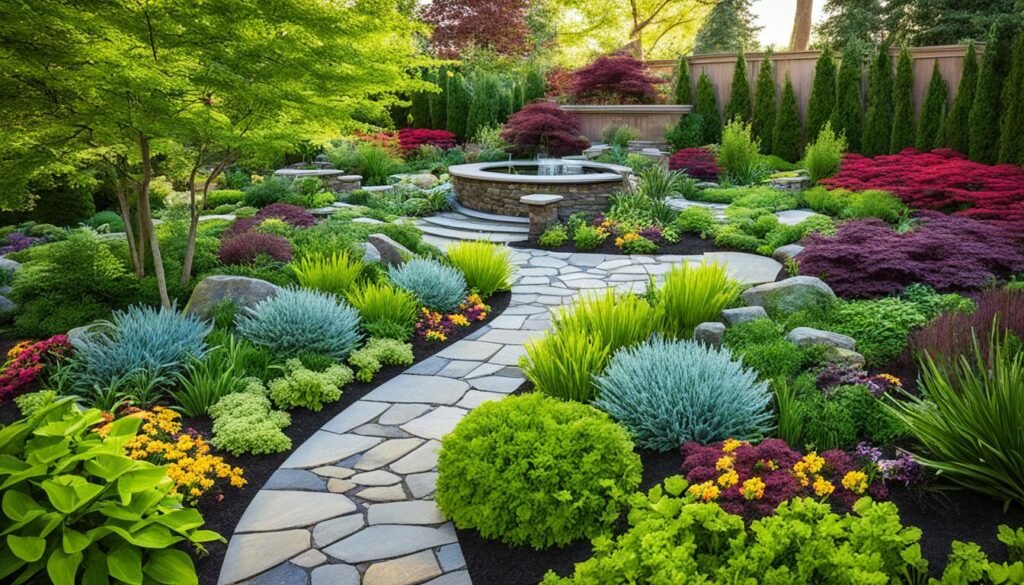
landscaping design ideas

Conclusion

Choosing between DIY landscaping and hiring a professional needs thought. DIY projects may save money, but they take a lot of time. You might also make mistakes if you lack knowledge.

Getting a pro landscaper means you get expert help. They have skills and know-how, but it can cost more at the start.

Your choice should fit your needs, budget, and how much you want to do yourself. If you enjoy working on your yard, DIY can save you money and be fulfilling. But if you’d rather have someone else do it, consider hiring a professional.

Research is key no matter what you choose. Know what you can do and what your project needs. This helps you pick the right path and achieve your dream yard.

FAQ

What are the cost considerations for DIY landscaping versus hiring a professional?

Deciding between DIY and hiring a pro for landscaping means looking at the pros and cons. Doing it yourself can be cheaper at the start but takes a lot of time and effort. You might not know all the best ways to do things either, which could lead to expensive mistakes. Hiring a pro gets you expertise and saves you from doing all the work, but it’s pricier.

How much time and effort is required for DIY landscaping compared to hiring a professional?

DIY landscaping takes a lot of time, especially for big projects. You need time for planning, getting materials, and doing the work. It’s also heavy on labor, as you do all the physical work. Yet, working at your own pace can be a big plus for many.

What are the potential knowledge gaps in DIY landscaping compared to hiring a professional?

DIY landscaping has a big challenge: you might not know enough. Pros have lots of training and know how to pick the right plants and prepare the soil. Doing it yourself, you might pick the wrong plants. This could lead to failed landscaping and more expenses. Doing a lot of research helps. But, it’s hard to match the skills of a professional.

Source Links

Should You Tip Your Landscaper?

tipping landscapers

Only 7% of handymen in the U.S. get tips regularly. When it comes to landscapers, tipping can be a bit different. It depends on many things, like how hard the job is or how well they do it.

It’s not a must to tip your lawn care worker. But, you can if you think they did a great job. Make sure you ask their boss first about their tipping rules.

Key Takeaways

  • Tipping landscapers is not a requirement, but it can be a way to show appreciation for exceptional service.
  • Tips for large or difficult landscaping projects may range from $20 to $100 on top of the service cost.
  • For seasonal, holiday, or one-time jobs, a common tipping range is $10 to $50.
  • Factors like job difficulty, quality of work, and frequency of service can influence the appropriate tip amount.
  • Tipping can serve as a morale booster, motivating landscapers to maintain top-notch service.

Understanding Landscaper Tipping Etiquette

It’s key to know some facts about tipping your landscaper. Many landscaping companies don’t take tips. Always check with the landscaper or their company first about tipping.

Do Landscapers Accept Tips?

Tipping in landscaping is not very common, with about 1 in 10 customers tipping. Some landscapers are happy to get tips for great service or if they went the extra mile. The usual tip is about $10, but for big jobs, $50 to $100 is more fitting.

When Tipping Landscapers May Be Appropriate

Most times, tipping isn’t expected for regular lawn care. But tipping can show your thanks for great work on one-time tasks or during the season. If the work was top-notch, fast, and with a tough task, a tip could be well-deserved.

Adding a 10% to 20% yearly bonus for a regular landscaper is also a nice touch. It thanks them for their hard work the whole year.

landscaping etiquette

“Tipping practices can vary, with some tipping at the end of each visit and others waiting until the end of the season.”

When deciding to tip, think about your yard’s size, their visit frequency, work quality, and your happiness with their service. While there’s no strict rule, common ways and valuing the landscaper’s work can guide your tipping.

Tipping Landscapers: What’s the Right Amount?

Deciding how much to tip your landscaper is a personal choice. For one-time jobs, $25 to $50 is a good range. For seasonal tips, $10 to $50 is common. These amounts vary based on job size, quality of work, and team size.

Tipping shows you appreciate your landscaper’s effort. But, it’s not a must. Landscaping companies usually don’t expect tips for regular service.

If your landscaper really impresses you, go ahead and tip. For exceptional service, especially by a single worker, tipping is a great way to say thanks. Make sure to tip in cash for clarity.

FAQ

Do landscapers accept tips?

A lot of landscapers welcome tips. However, it’s best to check with the boss first. This way, you find out if tipping is right. The decision to tip is yours, though, even if it’s not common.

When is tipping landscapers appropriate?

Tipping shows you’re really pleased with their work. But, make sure it’s okay with the company. You might want to tip for special or seasonal jobs, especially if the team was efficient and the job was tough. For regular service, like mowing, it’s more common to tip each season, or as a holiday thanks, rather than each visit. And, if the work was extensive or urgent, a tip might be in order, especially for outstanding efforts.

How much should you tip landscapers?

People tip differently when it comes to landscaping. Tips can be -0 for big jobs, or – for seasonal tasks. Remember, think about if the team will share the tip, how hard the job was, and its quality when choosing. Tipping is great for great service, but not a must if the company doesn’t allow it.

Source Links

How to Make a Landscaping Estimate

creating landscaping estimates

In 2020, the landscaping industry lost a lot of money – $1.84 trillion – due to wrong data. This fact shows how crucial it is to make accurate landscaping estimates. Doing so can make your business more profitable and successful.

This guide will show you the important steps to take. You’ll learn how to create a great landscaping estimate. This includes figuring out the project’s scope and what the client needs. You’ll also learn how to calculate costs like materials, labor, and more.

Key Takeaways

  • Accurate landscaping estimates are crucial for maintaining a profitable business, as the industry lost $1.84 trillion globally in 2020 due to bad data.
  • Understanding the project scope and client requirements is the foundation for creating a comprehensive landscaping estimate.
  • Calculating overhead, material, subcontractor, and labor costs are essential components of a detailed landscaping estimate.
  • Utilizing landscaping cost calculators, estimate templates, and industry data can help streamline the estimating process.
  • Continuously refining the estimating process based on past project analysis can lead to improved accuracy and profitability.

Establish a Project Plan

Before you estimate a landscaping project, make sure you know what your client wants. Talk to them about the style they’re looking for and the features they need. Also, find out about their budget.

Determine Project Scope and Client Requirements

Ask your client questions to understand their vision for their landscape. Know what look they want, what is essential, and any extra wishes. This discussion will set the project’s scope and inform your estimate.

Visit the Job Site and Take Measurements

It’s critical to visit the project site. Measure the area, noting its features and any challenges. This data is crucial for your project plan and cost calculation.

Develop a Comprehensive Plan

Now, with the client’s needs and the site’s details, create a plan. List all needed materials and costs for labor, like plants, patios, and water systems. A detailed plan ensures your estimate covers everything.

Successful landscaping estimates require deep client understanding, thorough site assessment, and a complete plan. Take all necessary steps for a detailed and accurate landscaping estimate that satisfies your client.

landscaping cost calculators

Calculate Project Costs

To make a profitable landscaping estimate, you need to start with the project costs. Besides material prices, consider overhead costs that make up 20% or more of your earnings. Look at these expenses, like rent and salaries, to figure out the big picture.

Don’t forget the materials needed, such as plants and mulch. Get quotes from subcontractors for their services. Include the time and effort you’ll put in and the wages of local landscaping workers.

Estimate Overhead Costs

Expenses like insurance and rent add up. When making your estimate, set aside at least 20% of your earnings for these costs.

Determine Material Costs

Plants, mulch, and more will make up a big part of your costs. Think about exactly what you need and look up current prices. This will help you find out the total cost for materials.

Calculate Subcontractor Costs

For tasks like electric work, you’ll likely need to hire experts. Ask your reliable subcontractors for quotes. Include any extra charges you’ll need for managing their work.

Estimate Time and Labor Costs

Plan out how much time and work you’ll need. Think about your pay and what other workers make around you. Consider the project’s complexity and if you need to work extra hours to finish on time.

Landscaping Element Price Range
Professional Landscape Architectural Design $0 – $1,250, $1,250 – $2,250, $2,250 – $5,000
Planting $0 – $6,000, $6,000 – $15,000, $15,000 – $40,000
Water Feature $0 – $3,000, $3,000 – $10,000, $10,000 – $40,000
Retainment Walls $0 – $2,000, $2,000 – $7,000, $7,000 – $14,000
New Lawn $0 – $5,000, $5,000 – $9,500, $9,500 – $16,000
Hardscape $0 – $7,500, $7,500 – $15,000, $15,000 – $25,000
Outdoor Kitchen $0 – $12,500, $12,500 – $18,000, $18,000 – $35,000
Outdoor Fire Feature $0 – $9,000, $9,000 – $12,500, $12,500 – $16,000
Outdoor Fireplace $0 – $25,000, $25,000 – $30,000, $30,000 – $35,000
Low Voltage Lighting $0 – $6,000, $6,000 – $8,500, $8,500 – $12,500
Pavilions $0 – $25,000, $25,000 – $55,000
Pergolas $0 – $12,500, $12,500 – $55,000

Include all these factors for a solid landscaping estimate. Doing so will put your business on a clear path to success.

landscaping cost calculator

creating landscaping estimates

If you work in landscaping, getting estimates right is key. This applies to all jobs, big or small. Good estimates help you manage costs, meet client expectations, and ensure your project is a success.

Choosing the right markup is important. For jobs at people’s homes, a 15-20% markup is often recommended. For bigger commercial jobs, aim for a 10-15% markup. This way, you stay profitable and offer fair prices.

Being up-to-date with local pricing is crucial for staying competitive. This includes using landscaping cost calculators and checking landscape design pricing in your area. Proper research helps you offer honest, standard pricing.

Include sales tax in your estimate. It shows the full cost to your client upfront, avoiding surprises later on.

Using a landscaping estimate template can make your job easier. It helps you keep track of costs, such as labor and materials, and make sure nothing is missed. This shows your professionalism and expertise.

A detailed estimate wins you projects and sets you up for success. Carefully Reviewing project details, calculating costs, and presenting an impressive estimate makes your Local Landscaping Pros business look good.

“Underestimating time and labor is a common mistake in landscaping job estimation. Conducting a thorough evaluation of the project is necessary to avoid errors in landscaping job estimation.” – Fred Haskett, Industry Expert with 43+ Years of Experience

To improve your estimates, follow these tips:

  • Use landscaping cost calculators and yard maintenance quote templates to simplify things
  • Look at landscape contractor bids and garden service estimates in your area for fair pricing
  • Factor in any hidden costs like fixing equipment or buying more materials
  • Use outdoor project quote tools to clearly show what the project includes
  • Consult hardscaping price guides to figure out the cost of things like pavers or walls
  • Keep current with the industry, including sod installation costs, to make accurate estimates

Following these practices will help you give great value to your clients. It will also help your Local Landscaping Pros business grow and succeed.

Conclusion

Getting landscaping projects right is key for your business success. This guide will help you make detailed and profitable estimates. This will impress clients and keep your business strong. Always look for ways to make your estimating better by using the right tools and data.

Take your company to the next level by making the most of the landscaping industry. Use ready-made templates to save time and make your work look professional. Think about the environment, what the clients like, and design styles. This way, you can create plans that not only meet but go beyond what clients expect.

Keep an eye on what’s new in the industry to make sure your estimates are on point and stand out. Use technology and templates to make your job easier. This will help your business grow and be successful in the landscaping market.

FAQ

What are the essential steps to create an effective landscaping estimate?

The key steps for a good landscaping estimate are simple. First, know what the client wants and the project’s scale. Then, visit the site for measurements. Next, create a detailed plan. Calculate all costs like materials and labor. Finally, add a markup to make a profit.

Why is it crucial to have a conversation with the client before starting the estimate?

It’s very important to talk with the client first. This step helps you really understand what they need. It allows you to make a solid plan and provide an accurate cost forecast.

How can accurately calculating project costs help ensure a profitable landscaping business?

Getting the project costs right is key for your business to make money. If you don’t, you could lose cash. By being precise, your business can stay in the green. This is crucial for success.

What is the recommended markup for landscaping projects?

For residential jobs, a 15-20% markup is standard. For commercial work, shoot for a 10-15% markup. These marks keep you competitive and profitable. Remember, the goal is to make a fair profit while staying attractive to clients.

Why is it important to research your competitors’ pricing?

Knowing what your competitors charge is vital. It helps you set prices that are competitive while covering your costs. In the end, this keeps your clients happy and your business thriving.

Source Links

Can Landscaping Boost Property Value?

landscaping and property value

Does landscaping make a home worth more? Yes, it does. Research proves that a well-landscaped home can sell for 5.5% to 12.7% more. For a $300,000 home, this means an extra $16,500 to $38,100. What’s more, some landscaping projects can offer a 20% to 30% return on your money. Investing in improvements that make your yard a beautiful, low-maintenance space can really pay off. But, not every landscaping project will increase your home’s value. High-maintenance or very unique projects might not be the best idea.

Key Takeaways

  • Landscaping can increase the perceived value of a property by up to 12.7%.
  • Investing in landscaping improvements can provide a 20-30% return on investment.
  • Well-maintained lawns, trees, and curb appeal features can significantly boost property values.
  • Certain high-maintenance or overly specialized landscaping projects may decrease a home’s value.
  • Proper landscape design and maintenance can also improve residents’ quality of life and sense of community.

The Impact of Landscaping on Home Value

Landscaping is key in raising your home’s worth. Studies prove going from average to great can up your home’s value by 10-12%. This effect gets bigger with a larger area, showing how good landscaping boosts value.

Excellence Matters

Creating an outstanding landscape is hard, with only 15% making the cut. If you jump from a good to great look, your property could be worth 6-7% more. Even going from so-so to good can bump it up by 4-5%.

In the Bay Area, where homes average $1.1 million, that’s a potential $110,000 more from just your yard. This proves how valuable a well-kept outdoor area can be.

Size and Design Sophistication

The bigger the plants and the smarter the design, the better for your property’s value. Big plants add more value than the type of plants used. Design matters a lot too.

Increasing your plant size from the smallest to the largest can make your home 5% more valuable. Going from a basic design to a sophisticated one raises it by 4.5%. Local preferences also play a part in how much your effort is valued.

Landscape design sophistication

Invest in a beautiful landscape to boost your home’s value. Focus on large plants and elegant designs. Consider what local buyers like. Doing this can make your outdoor area truly add to your home’s worth.

landscaping and property value

Landscaping Projects that Increase Value

Some landscaping projects can make your home worth more. Decks are a great example. They can get back over half their cost when you sell the house. Mature trees, loved by many, can also boost a home’s value by nearly 20%.

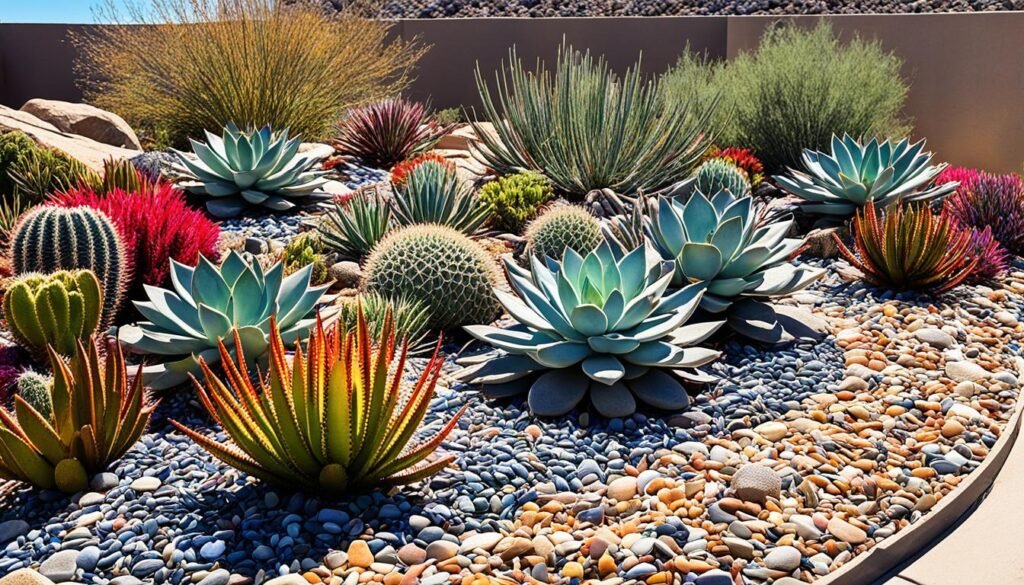
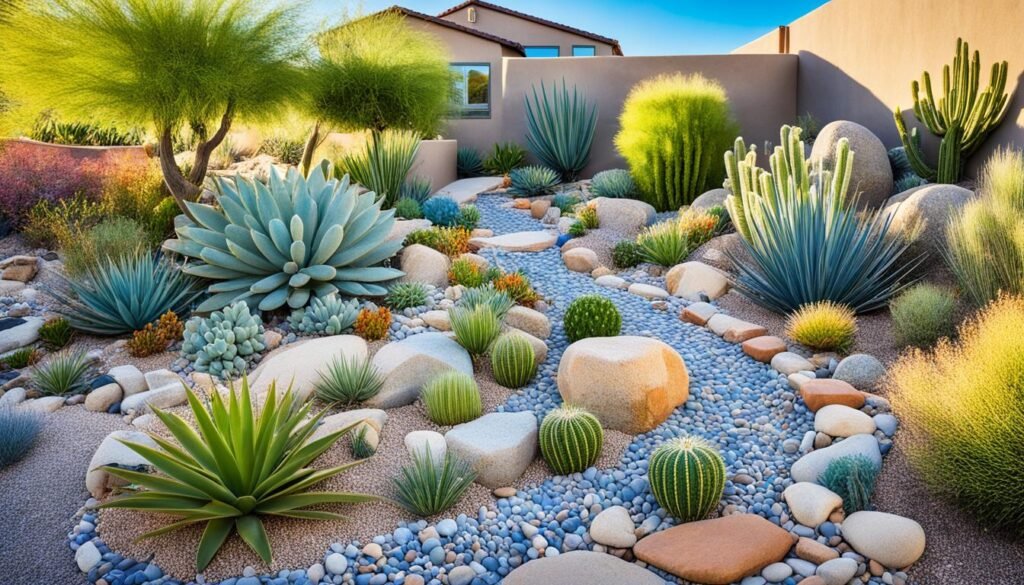
Xeriscaping, which is drought-tolerant landscaping, can add around 10-12% to your home’s value. Items like sprinkler systems and landscape lighting also pay off well. You can expect sprinkler systems to recover 86% of what you spent to install them.

However, not all landscaping projects increase value. Some, like a big water feature, might actually lower your home’s value by thousands. An overgrown garden could reduce the value a little bit too.

Landscaping Project Average Return on Investment
Decks 50.2%
Mature Trees Up to 19%
Xeriscaping 10-12%
Sprinkler Systems 86% of $2,500 cost
Landscape Lighting Strong return
Lawn Maintenance 267% return

To increase your property value with landscaping, choose projects wisely. Go for things that look good, are easy to maintain, and suit your area. A chat with a pro landscaper might be a smart move. They can help make your outdoor area perfect for selling and enjoying.

“Well-planned and executed outdoor spaces contribute 10% to 15% of a property’s value.”

landscaping

Conclusion

Strategic landscaping can greatly increase your property’s worth. Projects like enhancing curb appeal or adding to outdoor living areas pay off well. They could raise your home’s value by 10-20% when you sell.

It’s vital to match your landscaping plans with what people like in your area. Also, choose designs that keep upkeep and costs low. Getting advice from Local Landscaping Pros ensures you make the best choices. They can offer designs that will really boost your home’s value.

Want to make your landscaping stand out or your outdoor spaces beautiful? Investing in smart landscaping is a great move. With the right guidance, you can transform your yard. This will not only make your home look amazing but also increase its value.

FAQ

Can landscaping really boost a home’s property value?

Yes, studies show a well-landscaped home can be worth 5.5% to 12.7% more. This means a 0,000 home could gain ,500 to ,100 in value.

How much of a return on investment can I expect from landscaping improvements?

Landscaping that makes the living space bigger and easier to care for can bring a 20% to 30% return.

What types of landscaping projects are most likely to increase home value?

Decks, big trees, and xeriscaping can raise your home’s value. So can sprinkler systems and beautiful landscape lighting.

How important is the quality and design of the landscaping?

Turning average landscaping into something excellent can boost your home’s value by 10-12%. Big plants add about half of this value.

The design is also crucial. But, the variety of plants matters the least.

Are there any landscaping projects that can actually decrease a home’s value?

Projects that are hard to keep up, not suitable for the area, or too unique can lower your home’s value. It’s key to think about what fits the region, upkeep, and cost.

Source Links

Economical Backyard Landscaping Ideas

budget-friendly backyard landscaping

Did you know that landscaping a 1/4-acre yard can cost up to $10,000? But, we’ve got budget-friendly backyard landscaping ideas for you. These tips will help you turn your outdoor area into a beautiful, inviting space without spending a fortune.

It doesn’t matter if you have a small patio or a large backyard. You can make your outdoor area better without spending a lot. Start by planting low-maintenance flowers and using native plants. You can also reuse items from your home as planters. This is all about being creative and watching the pennies. By doing so, you can build the budget-friendly backyard of your dreams.

Key Takeaways

  • Discover affordable ways to transform your outdoor space with budget-friendly landscaping ideas
  • Learn how to create a beautiful, inviting oasis without breaking the bank
  • Explore cost-effective strategies for planting, hardscaping, and enhancing your yard’s aesthetics
  • Uncover tips for repurposing household items and incorporating sustainable elements
  • Get inspired to create the low-cost garden design and affordable outdoor spaces of your dreams

Affordable Landscaping Techniques for Your Outdoor Space

Turning your backyard into a beautiful space doesn’t have to break the bank. You can do it by choosing budget-friendly landscaping ideas. This includes using perennials and native plants. They offer year-round beauty with less upkeep needed. It’s a smart way to have a pretty garden without spending too much.

Plant Perennials for Long-Lasting Beauty

Perennials make your garden colorful every year. They not only look good but also minimize your gardening costs. Choices like Black-Eyed Susan, Coneflower, Coral Bells, Daylily, and Hosta are not only well-priced but easy to care for. They add a lovely touch to your space without costing a lot. This makes them a great choice for anyone looking for Landscaping Companies in Murrieta CA.

Embrace Native Plants for Low-Cost, Low-Maintenance Gardening

Using native plants is good for your wallet and the environment. They’re used to your area’s weather and soil, needing less water and care. By planting native plants, you’re supporting a garden that practically takes care of itself. Plus, you’ll see more local wildlife, thanks to these plants. Look into what plants are native to your area to start your Local Landscaping Pros journey.

With these simple ideas, you can make your backyard an affordable haven. It will not only look beautiful but also match your style and budget.

budget-friendly backyard landscaping

Landscaping Element Average Cost
Perennial Plants $5 to $50 per specimen
Mulch Installation (DIY) $20 to $60 per cubic yard
Fire Pit Kit Approximately $625 or more
Walkways $335 to $2,480
Drip Irrigation for Xeriscaping Approximately $490
Groundcover (Clover Seed) Around $5 per pound
Native Plants $5 to $50 per plant
Repurposed Plant Containers $5 to $50 per plant, $5 to $20 per bag of potting soil
Flower Pots, Containers, and Planters $1.50 to $65 each
Solar Landscape Lights $50 to $150 per fixture, with potential bargains at $10 each
DIY Arbor Kits $375 to $1,380

Budget-Friendly Backyard Landscaping

Turning your backyard into a welcoming place doesn’t need a big budget. You can do it by thinking out of the box and being resourceful. One smart way is to turn old items from home into pots and holders for plants.

Upcycle Household Items into Unique Planters

Be bold and try using normal home items as special plant holders. You can change tires into bright flower beds or use pallets to make a garden. Even things like barrels, wheelbarrows, and watering cans can become cute displays for plants. This method is both eco-friendly and pocket-friendly.

budget-friendly backyard landscaping

Don’t stop at just planters. Go for landscaping that won’t cost much, like using certain plants that need little care. You could also make a simple water feature yourself. A small fountain or a birdbath will make your backyard feel more natural on a tight budget.

With some cleverness and a love for making old things new, you can have a stunning backyard. By using old items and low-cost plants, and doing fun projects yourself, you can build your ideal outdoor space without spending too much.

Important is to be creative and focus on what’s truly important. And don’t forget the joy of doing things yourself. These tips will help you have a beautiful backyard that suits your living and budget.

Conclusion

You can make your backyard beautiful and useful by using these budget-friendly ideas. Plant perennials, use native plants, and repurpose things from your home. This way, you can improve your yard’s look and create a great outdoor space without spending too much.

Even if you have little money to spare or want to cut down on yard work, there are ways to make your dream backyard. Focus on simple upkeep, efficient water use, and using old items differently. This approach will not only make your home look better but also fit your life and budget.

Choosing the right elements for your backyard is crucial to success. Being creative and open to new ways can turn your outdoor area into a spot that truly shows who you are. Best of all, you can do this without blowing your budget.

FAQ

What are some budget-friendly backyard landscaping ideas?

Want to spruce up your backyard without spending too much money? Try planting perennials and native plants. You can also use old household items as planters. Adding solar lights and using eco-friendly techniques can also make a big difference.

How can I create a beautiful backyard without spending a lot of money?

Creating a beautiful outdoor space doesn’t have to cost a fortune. Stick with low-cost options like planting low-maintenance perennials. Use what’s native to your area. Repurpose items from your home, and focus on sustainable landscaping.

What are the benefits of planting perennials in my backyard?

Perennials are a smart choice for both your garden and wallet. They come back every year, adding beauty and variety. Plus, they’re easier to take care of than flowers you have to replant. Consider Black-Eyed Susan, Coneflower, Coral Bells, Daylily, and Hosta for your garden.

How can I repurpose household items for my backyard landscaping?

Looking to get creative in your yard? Use things you already have at home. Old tires can become fun planters. Wooden pallets can turn into unique furniture. You can also upcycle barrels, wheelbarrows, or watering cans into interesting planter boxes.

Where can I find more information on budget-friendly landscaping companies in my area?

Need help from professionals who won’t break your budget? Check out //landscapingcompaniesinmurrietaca.com for local landscaping options that are affordable.

Source Links

Average Cost of Landscaping a Home

average home landscaping cost

Industry data tells us that the national average cost to landscape a home is $12,825. This shows how much homeowners value their outdoor spaces and want to make them look better. Costs for landscaping can start as low as $4,000 and reach up to $20,317 or more. For those with bigger dreams, spending $38,333 isn’t out of the question.

Key Takeaways

  • The national average cost of landscaping a home is $12,825.
  • The typical price range for landscaping projects is $4,000 to $20,317.
  • Homeowners can expect to spend as little as $2,000 for basic landscaping or up to $38,333 for more elaborate projects.
  • Landscaping costs can vary widely depending on the size, scope, and specific services required.
  • Investing in professional landscape design and installation can significantly enhance a home’s curb appeal and property value.

Understanding the Factors Influencing Landscaping Costs

Landscaping costs depend on many things. The size and type of the project and needed services play a big part. Wanting something simple like a few trees will cost less than including custom water features.

Size and Scope of the Project

Your yard’s size affects the cost. A big yard with complex designs can reach $38,333. But, smaller project costs, like planting trees, may stay around $2,000.

Experts say yard maintenance costs can range from $2,250 to $51,000. This includes anything from a simple yard to more complex designs. The project’s scope changes the budget a lot.

Landscaping Services

Specific services, like landscape design, influence the cost. Here’s a cost breakdown:

  • Landscape design ($2,200 – $6,180)
  • Land grading ($100 – $3,400)
  • Mulching ($17 – $68 per cubic yard)
  • Planting flower beds ($650 – $3,000)
  • Planting trees and bushes ($25 – $3,000 per plant)
  • Drainage installation ($1,500 – $11,000)
  • Sod installation ($0.87 – $1.76 per square foot)
  • Sprinkler system installation ($2,400 – $4,200)

The type and complexity of services needed change the total cost. This also affects how much your property’s value improves.

Landscaping project

average home landscaping cost

Landscaping your home’s exterior can be a big investment. The average cost ranges from $4,000 to $20,317. The national average is about $12,825.

Costs might be lower, around $2,600, for a simple project. More complex designs could reach up to $13,700. The size of the project and design play a big part in the price.

When planning a landscaping project, talk about your budget. Working with professionals, like Local Landscaping Pros in Murrieta, can help you get the most value.

Factors Influencing Landscaping Costs

Several factors affect landscaping costs:

  • Project size and scope: Big projects with water features or gardens can cost more.
  • Required services: Services like lawn care or irrigation can raise costs.
  • Complex designs: Special features or unique elements usually make the price go up.
  • Location: Costs can vary by region, with some places being more expensive than others.
  • Material quality: Better plants, materials, and elements can increase the total cost.
Landscaping Service Average Cost Range
Planting trees $90 – $1,650
Planting flower beds $800 – $3,000
Sod installation $3,400 – $5,100
Patio installation $2,300 – $6,900
Fence installation $1,800 – $6,200
Fire pit $330 – $1,800
Retaining wall $3,550 – $9,750
Deck $4,300 – $12,200
Gazebo $5,300 – $9,300
Swimming pool $26,200 – $62,900

Understanding these factors is key to staying on budget. Local Landscaping Pros in Murrieta offer their expertise to help you get your dream outdoor space within your means.

average home landscaping cost

“Landscaping can be a significant investment, but it’s one that can pay off in the long run by increasing the value of your home and creating a beautiful, functional outdoor space for you and your family to enjoy.”

Conclusion

Landscaping your home is a big investment. Yet, it enhances your outdoor space’s value, use, and look. The average home landscaping cost varies a lot. It depends on the project size, needed landscaping services, and design complexity. With the help of experts like Local Landscaping Pros in Murrieta, you could make your outdoor area beautiful and practical within your budget. They offer services from simple softscaping to complex hardscaping or xeriscaping.

Softscaping is about plants, lawn, and soil, while hardscaping works on paths and structures. Xeriscaping focuses on water-saving landscapes. It’s vital to think through your choices and budget your landscaping investment wisely.

The average landscaping prices in the U.S. can be between $1,268 to $6,003. The national average is about $3,494. The property size, design complexity, and materials used affect the yard maintenance costs and lawn care expenses. A garden renovation or outdoor space improvement might cost more. For example, a front-yard upgrade can be $1,500 to $5,000. A full backyard renovation might be $15,000 to $50,000.

When planning your residential landscape design expenditure, think about long-term benefits. A great landscape adds to your property’s beauty and appeal. Working with experts like Local Landscaping Pros ensures you get the most from your outdoor area for many years.

FAQ

What is the average cost of landscaping a home?

The cost to landscape your home can vary greatly. On average, people spend between ,000 and ,317. The typical cost is around ,825. However, some might spend only ,000 on a simple project. Others might chip in as much as ,333 for an elaborate design.

What factors influence the cost of landscaping a home?

The project’s size and what you’re including affect your total bill. Special landscaping, like water features, rare plants, and unique designs, costs more. A bigger yard or adding extra features bumps up the price too.

What are some common landscaping services and their associated costs?

Common landscaping services and their costs vary:
– Landscape design: ,200 to ,180
– Land grading: 0 to ,400
– Mulching: to per cubic yard
– Flower bed planting: 0 to ,000
– Tree and bush planting: to ,000 per plant
– Drainage installation:

FAQ

What is the average cost of landscaping a home?

The cost to landscape your home can vary greatly. On average, people spend between $4,000 and $20,317. The typical cost is around $12,825. However, some might spend only $2,000 on a simple project. Others might chip in as much as $38,333 for an elaborate design.

What factors influence the cost of landscaping a home?

The project’s size and what you’re including affect your total bill. Special landscaping, like water features, rare plants, and unique designs, costs more. A bigger yard or adding extra features bumps up the price too.

What are some common landscaping services and their associated costs?

Common landscaping services and their costs vary:
– Landscape design: $2,200 to $6,180
– Land grading: $100 to $3,400
– Mulching: $17 to $68 per cubic yard
– Flower bed planting: $650 to $3,000
– Tree and bush planting: $25 to $3,000 per plant
– Drainage installation: $1,500 to $11,000
– Sod installation: $0.87 to $1.76 per square foot
– Sprinkler system: $2,400 to $4,200

,500 to ,000
– Sod installation:

FAQ

What is the average cost of landscaping a home?

The cost to landscape your home can vary greatly. On average, people spend between $4,000 and $20,317. The typical cost is around $12,825. However, some might spend only $2,000 on a simple project. Others might chip in as much as $38,333 for an elaborate design.

What factors influence the cost of landscaping a home?

The project’s size and what you’re including affect your total bill. Special landscaping, like water features, rare plants, and unique designs, costs more. A bigger yard or adding extra features bumps up the price too.

What are some common landscaping services and their associated costs?

Common landscaping services and their costs vary:
– Landscape design: $2,200 to $6,180
– Land grading: $100 to $3,400
– Mulching: $17 to $68 per cubic yard
– Flower bed planting: $650 to $3,000
– Tree and bush planting: $25 to $3,000 per plant
– Drainage installation: $1,500 to $11,000
– Sod installation: $0.87 to $1.76 per square foot
– Sprinkler system: $2,400 to $4,200

.87 to

FAQ

What is the average cost of landscaping a home?

The cost to landscape your home can vary greatly. On average, people spend between $4,000 and $20,317. The typical cost is around $12,825. However, some might spend only $2,000 on a simple project. Others might chip in as much as $38,333 for an elaborate design.

What factors influence the cost of landscaping a home?

The project’s size and what you’re including affect your total bill. Special landscaping, like water features, rare plants, and unique designs, costs more. A bigger yard or adding extra features bumps up the price too.

What are some common landscaping services and their associated costs?

Common landscaping services and their costs vary:
– Landscape design: $2,200 to $6,180
– Land grading: $100 to $3,400
– Mulching: $17 to $68 per cubic yard
– Flower bed planting: $650 to $3,000
– Tree and bush planting: $25 to $3,000 per plant
– Drainage installation: $1,500 to $11,000
– Sod installation: $0.87 to $1.76 per square foot
– Sprinkler system: $2,400 to $4,200

.76 per square foot
– Sprinkler system: ,400 to ,200

Source Links

Should You Reveal Your Budget to Your Landscaper?

sharing budget with landscaper

Did you know that 78% of landscapers have had clients hide their budget? Even after getting a proposal, many homeowners wonder whether to reveal their budget to a landscaper. This decision is crucial when hiring help for your yard. What’s better, sharing your budget or keeping it secret?

Landscapers often ask for your budget. It lets them give spot-on estimates and not waste time with costly projects. Yet, some might fear that by sharing the budget, landscapers will raise their prices. Let’s look at the benefits and downsides of telling your budget. This info will help you decide what’s best for your next landscaping job.

Key Takeaways

  • Sharing your budget with a landscaper can help them provide accurate estimates and ensure a good fit between your needs and their services.
  • Some homeowners worry that revealing their budget may lead to inflated quotes, but this can often be avoided through transparent communication.
  • Discussing your budget early on can help you avoid failed sales pitches and increase the chances of a successful project completion.
  • Providing a reasonable budget range, rather than a fixed amount, can give you more flexibility in negotiating costs.
  • Being transparent about your priorities can help the landscaper tailor their recommendations to your specific needs and budget.

The Pros and Cons of Sharing Your Budget

Discussing your landscape design budget can be tricky. Your landscape design budget shapes the project’s size and quality. Some homeowners keep their budget secret from landscapers, worried they might get overcharged. But, there are good things that can come from being open about your budget.

Why Landscapers Ask for a Budget

Landscapers want to know your budget to make a fitting proposal for you. They consider your landscaping financing to suggest the right materials and designs. Knowing your budget helps them avoid suggesting things you can’t afford, saving everyone’s time.

Potential Drawbacks of Revealing Your Budget

But, some homeowners hold back their budget, fearing quotes will be inflated. They are scared that a bigger budget might lead to unnecessary costs. This fear can affect how you and your landscaper work together.

Building trust with your landscaper is key to getting the best for your budget. Being honest about what you want and how much you can spend ensures a project that’s right for you.

Deciding whether to share your budget is a personal choice. It’s smart to think about the pros and cons to make the best decision for you. Knowing the role of your budget helps you plan for an affordable landscaping project for your house.

landscape design budget

“Discussing budget with clients can build a trusting relationship and lead to happier dynamics, similar to the impact on romantic relationships.”

Striking the Right Balance: sharing budget with landscaper

Finding the right balance in sharing your landscape design budget is crucial. Telling your landscaper a budget range, not an exact number, is smart. It lets them know your limit without holding back their creativity or charging too much. This approach ensures both parties are on the same page.

Providing a Reasonable Budget Range

Experts often advise giving a flexible budget range, not a set amount. This way, the landscaper offers designs that fit your wallet. It’s all about making your financial limits clear from the start. This helps prevent any shock with the quote later on.

Being Transparent About Your Priorities

Also, being clear about what you care about in the project is key. If a custom water feature matters more to you than plant types, let them know. It guides the landscaper to focus on what matters most to you within your budget.

If you’re passionate about a unique water feature, tell your landscaper. They’ll concentrate on affordable design solutions rather than spending time on less important details.

The aim is to jointly create an outdoor space that’s beautiful, budget-friendly, and exactly what you want. Openness and a balanced approach with your landscaper are essential for a great outcome.

Negotiating and Evaluating Landscaping Costs

It’s key to grasp what influences landscaping costs when looking at proposals. Project size, design complexity, materials, and labor are important. Knowing these factors helps in talks with landscapers. It also spotlights areas where you can tweak the plan within your budget.

Understanding the Cost Drivers

Costs for landscaping activities differ widely. Smaller tasks like lawn care may run $50 to $100 an hour. But, bigger projects cost between $4 and $12 per square foot. On average, beginner-level landscaping costs between $3,000 and $16,000 nationally.

Front yard work can be less costly than backyards. Yet, backyard projects can cost from $1,000 to over $40,000. This depends largely on what’s included, such as kitchens, patios, or pools. A good rule is to spend about 10% of a home’s value on landscaping.

Comparing Multiple Quotes

It’s wise to gather several quotes for the best deal. Each company’s price, service, and quality differ. Remember, the cheapest option isn’t always the right choice. Quality is just as important as cost.

About 85% of customers tend to haggle price after receiving proposals. Yet, nearly 70% of landscapers find this leads to more negotiations. Holding out for reasonable pricing early on can help avoid later issues.

Cost Factor Range
Small Jobs (Hourly Rate) $50 – $100 per hour
Larger Projects (Per Square Foot) $4 – $12 per square foot
Beginner-Level Landscaping $3,000 – $16,000
Front Yard Landscaping $1,500 – $10,000
Backyard Landscaping $1,000 – $40,000+
Percentage of Home Value for Landscaping Around 10%

To make a smart choice that fits your budget and needs, be informed. Understand what drives costs and get multiple quotes. This can help you spend wisely and get the best value for your money.

Landscaping Costs Comparison

Conclusion

The choice to tell a landscaper your budget has pros and cons. It’s all about finding a middle ground. By being open yet strategic, you and your landscaper can find a great design that fits your budget.

There are many parts to a landscaping project, each affecting the cost. When you share your budget range and what’s most important to you, it helps. This way, you and your landscaper can think of smart plans that meet your financial needs. Knowing what affects the cost lets you make wise choices and discuss prices.

A great landscape not only looks good but also adds value to your home. As long as you’re clear about your budget and what you can manage, you’ll enjoy the process more. This approach also helps keep your finances in check while creating your dream outdoor space.

FAQ

Should I reveal my budget to the landscaper?

Wondering if you should tell the landscaper your budget is common. Some say it’s good to share as it sets realistic expectations. Yet, others worry the landscaper might raise prices knowing your budget.

Why do landscapers ask for a budget?

Landscapers want to know your budget to customize their proposal to fit your needs. This way, they suggest materials, features, and designs that match what you can spend. It helps in not overpromising and wasting time on what you can’t afford.

What are the potential drawbacks of revealing my budget?

If you share your budget, some fear the landscaper might propose costlier options. They might even include extra items to increase the final bill. This is a concern for those looking to stay within a budget.

How can I strike a balance when sharing my budget?

Experts suggest giving a budget range. This helps the landscaper provide suitable options that meet your needs and budget. It ensures you both are on the same page and prevents surprises later on.

What are the key cost drivers I should consider when evaluating landscaping proposals?

Project size, design complexity, material types, and labor all influence the cost. Knowing these factors lets you better discuss and possibly adjust the plan to meet your budget. It’s about being aware and making informed choices.

How can I ensure I’m getting the best value for my money?

To get the best value, get quotes from different landscapers. This lets you see what each offers in terms of price and quality. Remember, the cheapest option might not mean you’re getting the best work or materials.

Source Links

Typical Rates Charged by Landscapers

landscaper hourly rates

A recent industry survey showed global losses of $1.84 trillion in the landscaping sector in 2020. The key point is that landscapers rates are crucial when planning your space. Rates differ based on the landscaping services needed, project size, and where you are.

For lawn care and yard maintenance, landscapers charge between $50 to $100 per hour for two people. Or, $25 to $50 for each worker. However, big projects like new lawns or makeovers might cost $4 to $12 per square foot. Prices go up if you use special services like landscape design or architecture.

Key Takeaways

  • Landscapers charge $50 to $100 per hour for basic lawn care and yard maintenance services.
  • Larger landscaping projects like new installations or renovations can cost $4 to $12 per square foot.
  • The total cost of a landscaping project is influenced by factors like location, project scope, and the use of specialized services.
  • Understanding landscaping pricing models is crucial for budgeting and planning your outdoor living space.
  • Factors such as overhead costs, labor rates, and markup percentages contribute to the final landscaping prices.

Understanding Landscaping Pricing Models

Homeowners and businesses often wonder how landscaping prices are set. Landscapers mainly use two pricing models: hourly rates and square foot pricing. Learning about these can help you better manage your landscaping budget.

Hourly Rates vs. Square Foot Pricing

For small jobs like lawn mowing, landscapers might charge by the hour. Prices can be anywhere from $50 to $100 for each hour worked by a two-person team. This method is flexible, as costs are tied to the time it takes to do the work.

On the flip side, bigger projects often use square foot pricing. The total area’s square footage determines the cost, with prices usually between $4 and $12 per square foot. It makes costs clear upfront, helping clients plan their budgets.

The type of pricing depends on the project’s size and complexity. Jobs like lawn care are usually hourly, while design work could be by the square foot.

Several factors influence how landscapers set their prices, including company size and local markets. Knowing about these pricing strategies will help you choose the best landscaper for your needs.

landscaper hourly rates and Project Scope

The size and complexity of a project are big factors in landscaper hourly rates. For simple work like mowing or trimming trees, a two-person team might charge between $25 and $50 each hour. Yet, for big projects like creating a new landscape, costs often start at $3,000 and go up to $16,000 on average.

Common Landscaping Service Prices

Understanding the prices for landscaping services helps in making good budgets. Let’s look at what some common landscaping jobs might cost:

  • Lawn Seeding: $0.65 – $1.50 per square foot
  • Sod Installation: $0.65 – $1.50 per square foot
  • Sprinkler System: $3,000 – $5,000 on average
  • Water Features: $5,127 – $14,436 for an outdoor fountain
  • Retaining Wall: $6,926 – $10,353 on average
  • Fencing: $20 – $73 per linear foot
  • Concrete Patio: $2,463 – $3,479 on average
  • Deck Construction: $4,343 – $11,388 on average

Knowing these typical landscaping service prices lets people plan better. It ensures the project runs smoothly without overspending.

landscaper hourly rates

“Effective sales strategies include detailed proposals, clear communication, and responsiveness to client questions or concerns.”

At the end, what you pay depends on your project’s size and needs. Thinking about these details helps make the right landscaping decisions. This way, homeowners and businesses can achieve their dream outdoor spaces.

Factors Influencing Landscaping Costs

Landscaping costs vary based on several key elements. These include the project’s size and complexity, the services needed, and the materials used. The expertise and labor costs of the people working on the project matter a lot too.

Skilled workers and top-quality materials might cost more. But, they can also improve the final result of your landscaping project significantly.

Where you live also plays a big part in how much you’ll pay for landscaping. For instance, costs for lawn care or yard maintenance hourly can be different from city to city. Places like Sydney or Melbourne often have higher rates than Brisbane or Adelaide.

Your choice of plants, water features, and hardscaping items can change the cost as well. Also, the time of year and when you start the project can affect prices. This is because demand for gardening or landscaping services varies.

Landscaping Service Hourly Rate Range
Lawn Mowing $25 – $50 per hour
Hedge Trimming $30 – $60 per hour
Tree Pruning $40 – $80 per hour
Irrigation Installation $50 – $100 per hour

It’s vital to understand these cost factors for planning your budget. By knowing these elements, you can wisely choose options for your landscaping. This helps achieve a quality, long-lasting, and affordable landscape.

landscaping costs

“Hiring a reputable and experienced landscaper is crucial to ensure a high-quality and sustainable result.”

Conclusion

The cost of landscaping can change a lot, depending on the project’s size and details. You might pay by the hour or by how big your yard is. Usually, smaller jobs cost less each hour, while bigger ones are priced by square foot. What you’ll pay also depends on what’s needed, like materials and tools, where you live, and the pros’ skills and costs.

Knowing how landscaping costs work helps owners and companies budget well for their projects. By learning about these costs, you can make your money go farther. On average, landscaping can cost from $3,000 to $14,000. The typical amount spent is about $8,500. Services are often priced between $50 and $150 per hour, with an average of $55 to $80 per hour.

The size and needs of your project, as well as where you live, can all change what you pay. Working with skilled landscapers can make figuring out costs easier. They can help you find the right price that fits your budget and your outdoor dreams.

FAQ

How much do landscapers typically charge per hour?

Landscapers often charge between to 0 per hour. This usually applies to tasks like taking care of lawns or trees.

What is the typical cost per square foot for larger landscaping projects?

For bigger jobs, the cost per square foot ranges from to . This is based on actual data.

What factors influence the pricing of landscaping services?

According to the facts, project location and size are key factors. Others include using special services or designs.

What are the two main pricing models used by landscapers?

Landscapers mainly rely on hourly rates for small tasks and square foot pricing for big projects. This is the standard practice.

How do the hourly rates vary based on project scope?

Small jobs see hourly rates of to 0 for each worker. However, larger projects might cost between ,000 to ,000. This gap is significant.

What are some common landscaping service prices?

The data lists various costs. This includes seeding lawns, installing sod, setting up sprinkler systems, adding water features, and much more.

Source Links

Difficulties in Finding a Good Landscaper

finding a good landscaper

Only a small part of landscaping projects with professional help come out as hoped. Even after pouring in time, money, and efforts, success is not assured. Choosing the best landscaper could turn out to be a tough job. It doesn’t matter if you want to enhance your home’s look or keep your business area’s view pleasing. Dealing with landscaping services is quite a task.

Key Takeaways

  • Hiring a professional landscaper doesn’t always guarantee the desired results
  • Referrals from neighbors and online research are crucial in selecting the right landscaper
  • Cost transparency and understanding the maintenance plan are important considerations
  • Landscaping companies offering a full range of services tend to deliver better results
  • Beware of red flags like poorly written contracts or suspiciously low rates

Importance of Finding the Right Landscaping Company

Choosing the right landscaping company is key to making your home look its best. This industry is worth $99 billion, covering everything from design to care. But, finding a skilled landscaper can feel hard, with false ideas about what they do.

Enhancing Curb Appeal and Property Value

A beautiful landscape can do wonders for your home. It can increase your home’s value by 5-15%. This holds especially true in places like Dallas, where a lovely yard can attract buyers and raise prices.

Good landscaping goes beyond looks. It can cut down on upkeep costs with smart designs and plants that need less water. These savings can add up over time, making your life easier and your wallet happier.

Landscaping Service Average Cost
Lawn Mowing (monthly) $40-$80
Landscape Design $4,000-$12,000
Sprinkler System Installation $2,500-$4,500
Tree Trimming $200-$1,000

Getting recommendations from people you know is a great way to start your search. Also, get quotes from three different companies. This will help you choose the best service for your budget.

“Landscaping contractors are knowledgeable individuals with expertise in landscape construction, project planning, maintenance, and horticulture. Their services can be invaluable in enhancing the beauty and functionality of your outdoor spaces.”

A good landscaping company can turn your yard into a beautiful, less work oasis. It not only makes your home look great but also raises its value. So, research well to find someone who can make your dream garden a reality.

professional landscaper

Finding a Good Landscaper: A Comprehensive Guide

Enhancing your property’s look and value is key. That’s why finding the perfect landscaping pro is important. It might feel hard to pick the right one, but the process can be smooth with the correct steps.

Crucial Questions to Ask Potential Landscapers

It’s vital to quiz a landscaper before hiring them. You want to know if they’re good at what they do and get your project’s needs. Here are key questions to kick off your conversation:

  1. What specific services do you offer? Ask about the many services they offer. These include tending to lawns, creating gardens, and caring for trees.
  2. Can you provide a detailed estimate of the costs involved? Request a clear cost estimate. This should include what you’ll pay for materials, labor, and any extra charges.
  3. Where do you source your plants and materials? Check they get plants and materials from top-notch sources. This ensures your landscape’s health and beauty.
  4. What kind of maintenance and warranty policies do you have? Know how they handle upkeep and what their work guarantees are.
  5. Can you describe your process for accomplishing my desired vision? See if they can realize your design dreams. They should get what you want from your space.

Asking the right questions gives a sneak peek into their skill and devotion to your project. This helps you pick a landscaper who will take great care of your place.

landscaping_image

A top-tier landscaper is great at sharing what they do, telling you about costs, and showing how they can make your outdoor dreams real. Checking out different landscapers gives you a chance to find the ideal pro for you.

“A well-designed and maintained landscape not only enhances the curb appeal of your property but can also significantly increase its value.” – Landscape Industry Expert

If you’re looking for landscaping pros in Murrieta, CA, or anywhere else, asking questions and doing some research is crucial. This guide will help you find a landscaper who can turn your outdoor space into something special.

Conclusion

Finding a good landscaper can be hard, but it’s important. It boosts your home’s look and value. Use tips like getting referrals, checking online reviews, and asking questions. This way, you can find someone who turns your outdoor ideas into reality. Look out for warning signs and feel free to ask questions or haggle.

The right landscaper makes a beautiful and eco-friendly garden. Focus on quality and hard work. This will improve both the beauty and worth of your property. Take your time to choose the perfect pro, and see your dream yard come true.

A successful project depends on finding a skilled landscaper who gets your vision. Look for someone who values making a breathtaking and green space. With the right choice, you improve your home’s looks, raise its value, and create a place your family loves for years.

FAQ

What are the key steps to finding a good landscaper?

Start by asking friends and local shops for suggestions. Reading reviews online can also help. When you talk to potential landscapers, make sure to ask about their services, prices, plant sources, and their policies on maintenance and warranties. Also, find out if they can bring your landscaping ideas to life.

How can hiring a professional landscaper enhance my home’s curb appeal and property value?

Investing in a lovely landscape can raise your home’s value. It can also make your home look better. The landscape industry is quite big, worth billion. There are many well-paying jobs here that use the latest tech to help not just homeowners but also the community and environment.

What are some common misconceptions about the landscape industry?

Some think landscaping is all about hard work and doesn’t offer career growth. But, the truth is the field is full of good-paying, tech-heavy jobs. Plus, it does important work that helps families, communities, and nature. So, there are many opportunities here.

What red flags should I look for when hiring a landscaper?

Be on the lookout for some warning signs when picking a landscaper. These include not having the right licenses or insurance, and difficulties in communication. Always ask the important questions and do your homework. This will ensure you find a landscaper who will make your outdoor area shine.

Source Links